Game boosting, explained
Everything about game boosting: what WoW boosts and carries are, self-play vs piloted, Mythic+ and raid boosts, prices, risks and how to choose a booster on FullBoosts.
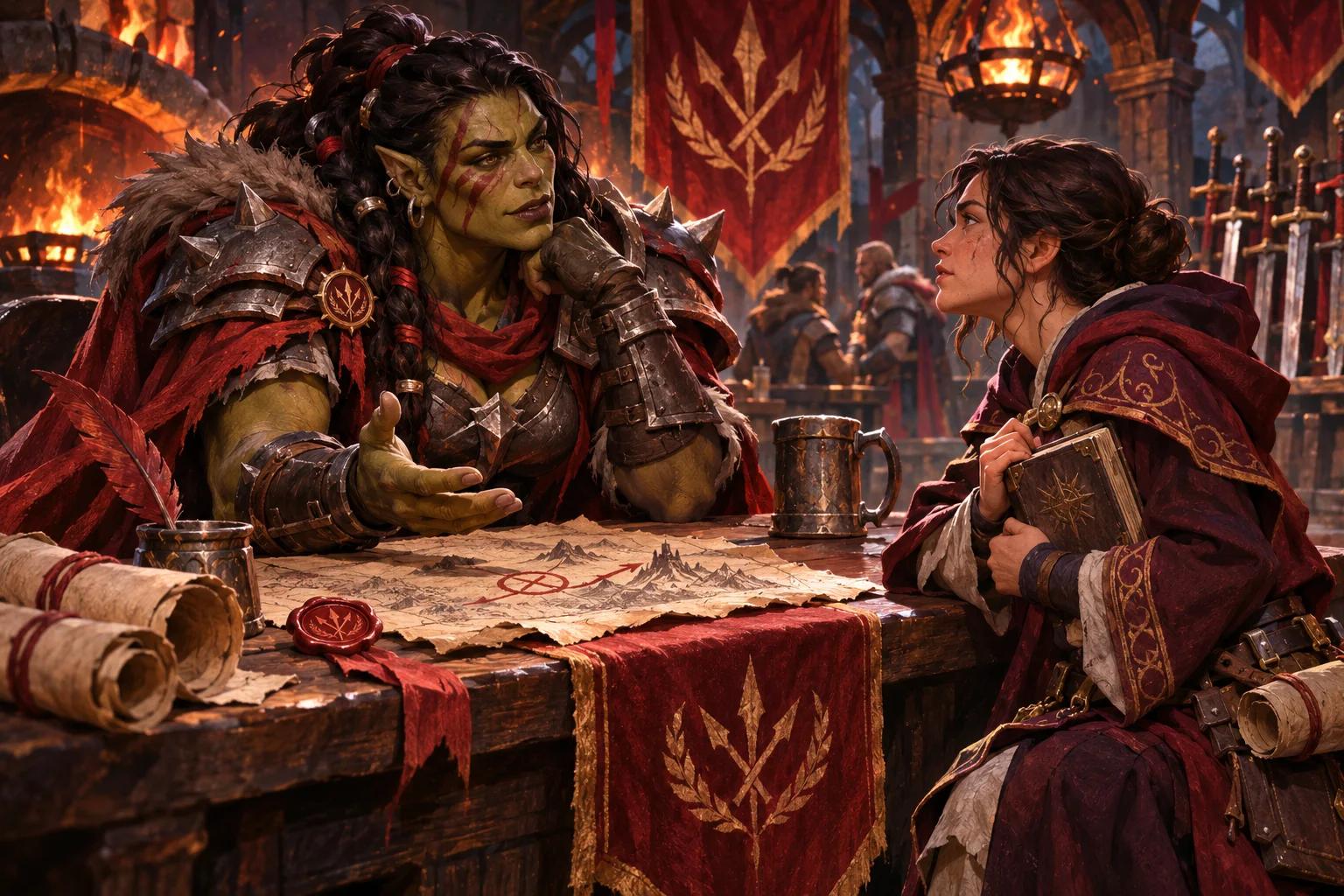
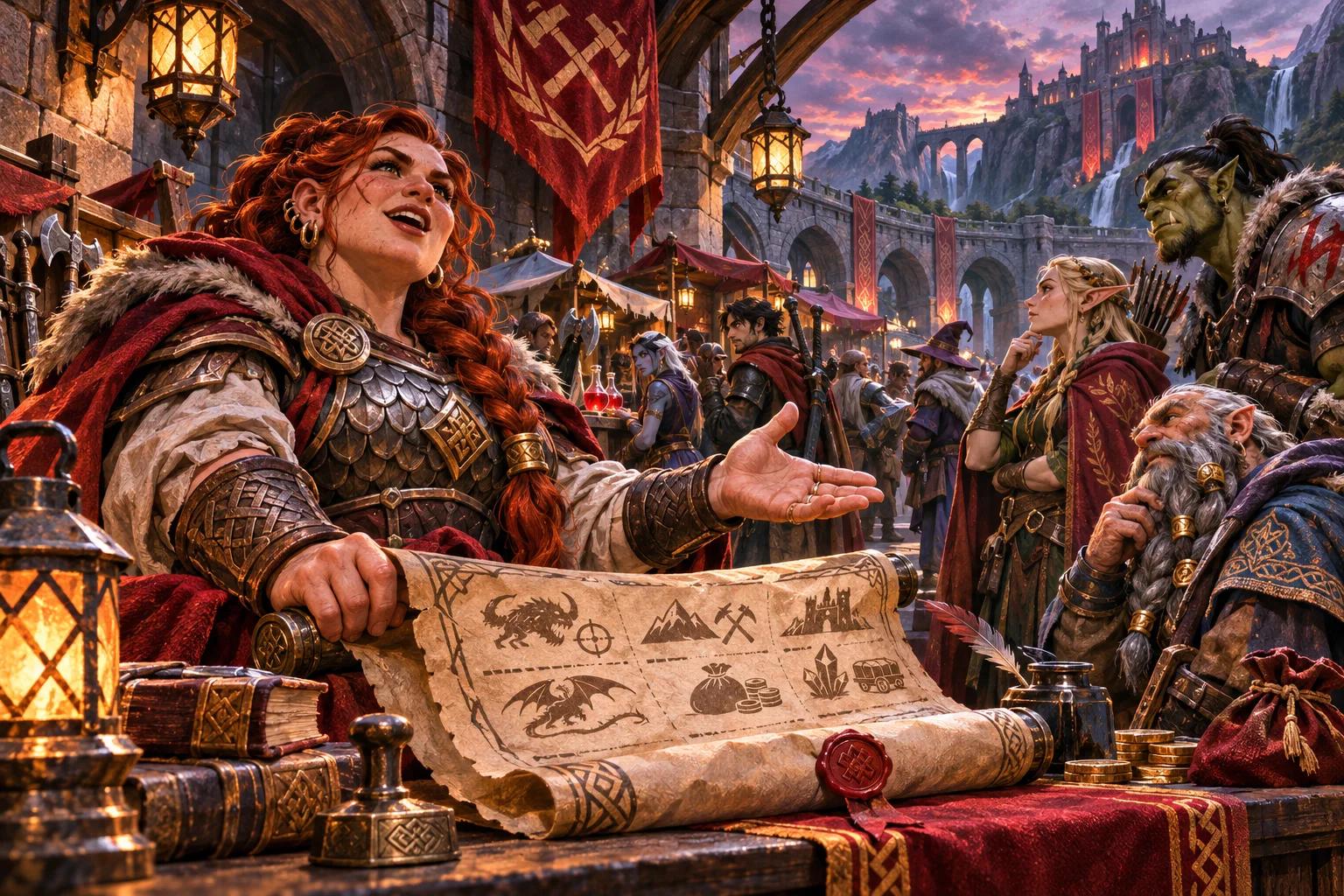
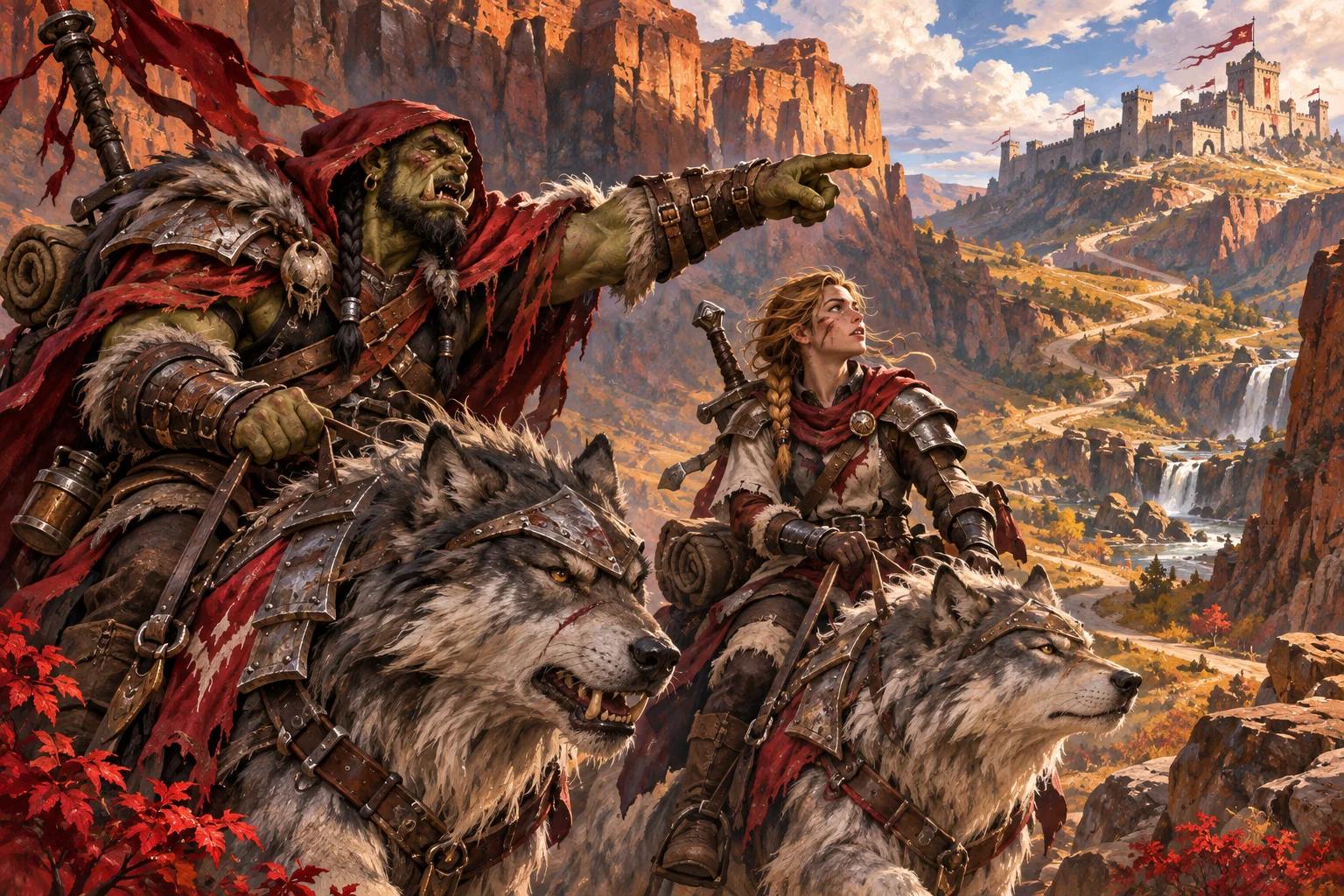
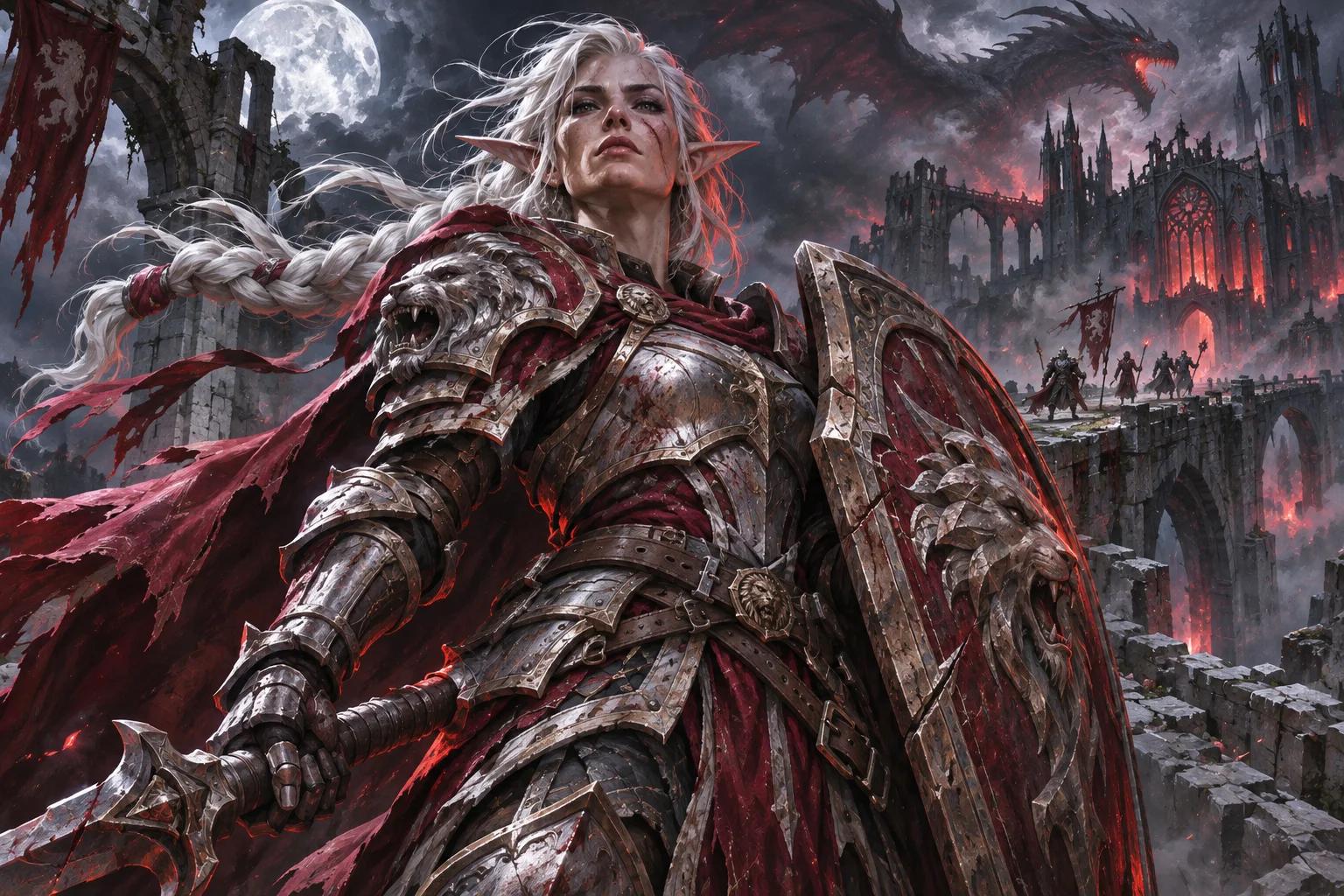
Game boosting means paying experienced players to help you reach a goal faster: a raid clear, a Mythic+ key, a PvP rating or a target level. Self-play boosts keep you logged in yourself. Piloted boosts mean sharing your account, which is the riskier option.
What is game boosting?
Game boosting (also called a carry) means paying experienced players to help you reach a goal faster. That goal can be clearing a raid, timing a Mythic+ key, hitting a PvP rating, unlocking a mount or achievement, or reaching max level. Most demand is in MMOs like World of Warcraft and in competitive shooters with ranked ladders.
Types of WoW boosts
- Mythic+ boost: a timed Mythic+ key run for gear, Great Vault slots or a higher Raider.IO score. Keystone Master runs go for the season's mount.
- Raid boost: a raid clear on Normal, Heroic or Mythic for loot and achievements like Ahead of the Curve (AotC) or Cutting Edge.
- PvP boost: Arena 2v2/3v3, Solo Shuffle or rated battlegrounds, rated up to a target rating or title.
- Power leveling: a character taken to a target level. See our power leveling guide.
- Delves, achievements and mounts: carries through specific content for collectibles.
- Gold: in-game currency. Compare prices in our WoW gold price guide.
Self-play vs piloted
Self-play means you log in and play your own character while the boosting team carries the content. Piloted means a booster logs into your account. Piloted is faster and needs nothing from you, but account sharing breaks Blizzard's terms. Whenever you can be online, pick self-play.
How much does a boost cost?
Prices depend on the content's difficulty, how new it is, the loot options and the region. On a marketplace like FullBoosts, independent sellers set live prices for the same service, so you can compare instead of guessing.
Is boosting allowed?
In most countries boosting is a game-rules issue, not a legal one. Blizzard forbids account sharing and third-party gold, and during the WoW: Forever beta it closed nearly 4,000 accounts for real-money trading. South Korea has gone further and made commercial boosting a crime. Read our 8 questions to ask before you pay.
Boosting Articles
FullBoosts explained: one marketplace for gold, boosts and leveling
What it is, who sells there, and why a marketplace gives you more choice than a single shop.
WoW Token vs marketplace gold: what 100K gold really costs in November 2026
Same gold, very different prices. We put the Token and the marketplaces on one scale.
Buying WoW gold on a marketplace: the 2026 checklist
Pick the right seller, keep orders small, and know the rules before you buy.

Power leveling in WoW: Forever: self-play vs piloted, and what to ask first
Forever has no character boosts. If you want help leveling, choose the safer kind.
The gold cost of Mythic raiding in Midnight, and how to budget for it
A first Mythic clear can cost tens of thousands in repairs alone. This is how raiders keep up.
How to choose a booster: 8 questions to ask before you pay
Ratings are only the start. These questions separate good sellers from risky ones.
Boosting FAQ
What is game boosting?
Game boosting is a paid service where experienced players help you reach a goal faster, such as a raid clear, a Mythic+ key, a PvP rating, an achievement or a target level.
What is a WoW carry?
A WoW carry is a boost where a skilled group takes you through content, such as a raid, a Mythic+ dungeon or a Delve, while you play your own character (self-play).
What is the difference between self-play and piloted boosting?
In self-play you stay logged in and play your own character while the boosters carry you. In piloted boosting a booster logs into your account. Piloted is faster, but account sharing breaks Blizzard's terms and carries more risk.
Is boosting allowed in World of Warcraft?
Blizzard's terms do not allow account sharing or buying gold from third parties, and penalties are possible. Self-play carries avoid account sharing. South Korea has made commercial boosting a crime.
How do I choose a boosting service?
Compare several sellers on their track record in that specific game, what's included, the ETA, the fail policy, and how clearly they answer before you pay. Treat any "100% safe" promise as a red flag.
More: News · Updates · Releases · Guides · WoW gold · Power leveling